Smart Investing in the Digital Age: How to Choose the Right Trading Platform
The financial world is undergoing a major transformation, driven by technology and increased accessibility to global markets. Today, investors are no longer confined to traditional brokerage systems, as digital platforms have made stock trading more convenient and efficient than ever before. With the rise of mobile solutions, finding the best stock trading app has become a priority for individuals who want to engage in stock trading with ease and confidence.
As the demand for digital trading continues to grow, investors are paying closer attention to the features and performance of modern platforms. Choosing the best stock trading app is not just about convenience; it is about gaining access to tools that enhance decision-making and improve outcomes in stock trading. A well-designed application provides real-time market data, advanced charting tools, and seamless execution, all of which are essential for navigating the complexities of financial markets.
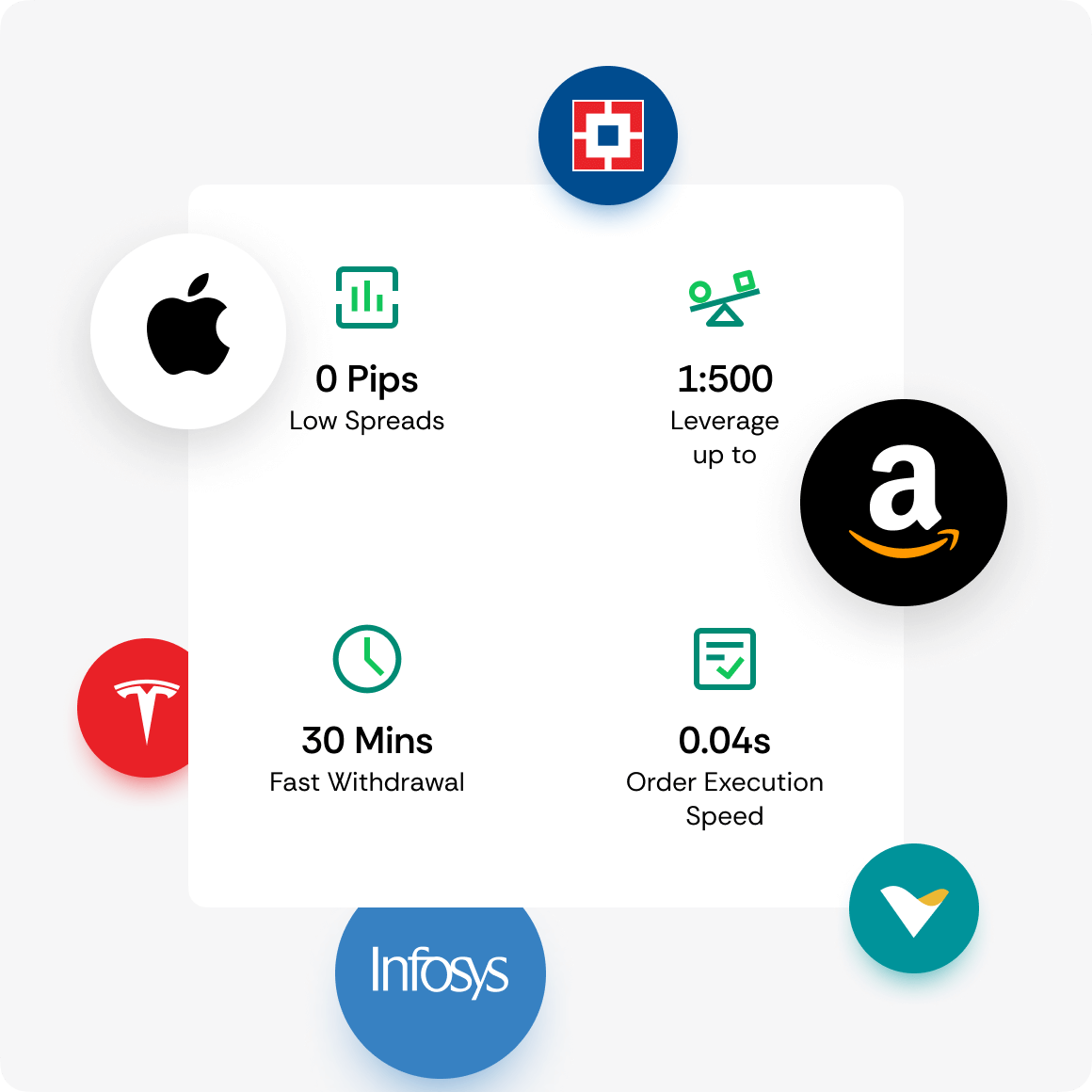
The evolution of trading platforms has significantly reduced the barriers to entry for new investors. In the past, participating in the stock market required substantial capital and professional assistance. Today, anyone with a smartphone and internet connection can start trading within minutes. This shift has democratized finance, allowing more people to explore investment opportunities and build wealth over time. However, this increased accessibility also highlights the importance of choosing a reliable platform that offers both functionality and security.
Security remains one of the most critical aspects of any trading platform. With sensitive financial information at stake, investors must ensure that their chosen platform employs robust security measures such as encryption, secure login protocols, and compliance with regulatory standards. A trustworthy platform not only protects user data but also ensures that transactions are conducted safely and efficiently. This level of reliability builds confidence among users and encourages long-term engagement.
Another important factor to consider is the user interface and overall experience. A platform that is difficult to navigate can hinder a trader’s ability to make timely decisions. On the other hand, an intuitive and responsive interface simplifies the process, enabling users to focus on strategy rather than technical challenges. The best platforms strike a balance between simplicity and advanced functionality, catering to both beginners and experienced traders.
Educational resources have also become a key feature of modern trading platforms. Many services now offer tutorials, webinars, and market insights to help users understand the fundamentals of investing. These resources are particularly valuable for beginners who are still learning the basics of market analysis and risk management. By providing access to knowledge, platforms empower users to make informed decisions and develop effective trading strategies.
Cost efficiency is another crucial consideration when selecting a trading platform. Fees such as commissions, spreads, and withdrawal charges can significantly impact overall profitability. Transparent pricing structures are essential, as they allow investors to understand exactly what they are paying for. Many platforms now offer competitive rates and even commission-free trading options, making it easier for users to maximize their returns.
In addition to cost and usability, the range of available assets plays a significant role in the decision-making process. While stocks are the primary focus for many investors, a diversified portfolio often includes other asset classes such as ETFs, commodities, and cryptocurrencies. A versatile platform that supports multiple asset types provides greater flexibility and helps investors adapt to changing market conditions.
Technology continues to shape the future of trading, with innovations such as artificial intelligence and automated trading systems becoming increasingly popular. These advancements enable users to analyze market trends, identify opportunities, and execute trades with greater precision. Platforms that embrace these technologies are better equipped to meet the evolving needs of modern investors and provide a competitive edge in the market.
Community engagement is another emerging trend in the trading industry. Many platforms now incorporate social features that allow users to share insights, discuss strategies, and learn from one another. This sense of community fosters collaboration and helps traders stay informed about market developments. By connecting with others, investors can gain valuable perspectives and improve their overall performance.
As the trading landscape continues to evolve, the importance of choosing the right platform cannot be overstated. The best stock trading app not only simplifies the process but also enhances the overall experience by offering advanced tools, strong security, and comprehensive support. These features are essential for anyone looking to succeed in the dynamic world of stock trading.
In conclusion, the journey to successful investing begins with selecting a platform that aligns with your goals and preferences. Whether you are a beginner or an experienced trader, the right tools can make a significant difference in your performance. Platforms like tradewill.com are designed to meet the needs of modern investors by combining innovation, reliability, and user-friendly features. By leveraging the capabilities of tradewill.com, traders can confidently navigate the complexities of the financial markets and work toward achieving their financial objectives.
.png)

Comments
Post a Comment